


| SNo. | Scientific Name | Locality | Habitat | Basis of Record | Description | Recorded By | Record Number | Island | Source | Date |
|---|---|---|---|---|---|---|---|---|---|---|
| 1 | Schiedea salicaria | Locality redacted. Contact Bishop Museum Botany Department for details | Preserved_Specimen | Hillebrand, W.B. | Maui | BISH | 1870-08-01 | |||
| 2 | Schiedea salicaria | Locality redacted. Contact Bishop Museum Botany Department for details | Preserved_Specimen | Weller, S.G. | Maui | BISH | 1985-01-01 | |||
| 3 | Schiedea salicaria | Locality redacted. Contact Bishop Museum Botany Department for details | Preserved_Specimen | Hillebrand, W.B. | Maui | BISH | 1870-08-01 | |||
| 4 | Schiedea salicaria | Locality redacted. Contact Bishop Museum Botany Department for details | Preserved_Specimen | Hillebrand, W.B. | Maui | BISH | 1870-08-01 | |||
| 5 | Schiedea salicaria | Locality redacted. Contact Bishop Museum Botany Department for details | Growing on a steep face on the south side of the gulch. | Preserved_Specimen | Hobdy, R.W. | 803 | Maui | BISH | 1980-05-13 | |
| 6 | Schiedea salicaria | Locality redacted. Contact Bishop Museum Botany Department for details | rocky slps above Erythrina forest w/ Leucaena, Sida, Achyranthes splendens near Hibiscus brackenridgei exclosure. Local pop ca. 200 plants | Preserved_Specimen | 2-3 ft ht w/ fl & fruit immature | Perlman, S. | 5804 | Maui | BISH | 1987-05-01 |
| 7 | Schiedea salicaria | Locality redacted. Contact Bishop Museum Botany Department for details | On ridge in dry shrubland. Associated vegetation: Osteomeles, Metrosideros, Eragrostis, Wikstroemia, Dodonaea, Carex, Sphenomeris. | Preserved_Specimen | 1m ht. | Oppenheimer, H.L. | 30405 | Maui | BISH | 2004-03-05 |
| 8 | Schiedea salicaria | Locality redacted. Contact Bishop Museum Botany Department for details | on steep areas inaccessible to cattle. growing in many-branched clumps | Preserved_Specimen | Same as Hobdy 803 (13/5/80). Flowers fragrant in the evening with a spicy sweet smell typical of night flowers. | Hobdy, R.W. | 2007 | Maui | BISH | 1984-03-06 |
| 9 | Schiedea salicaria | Locality redacted. Contact Bishop Museum Botany Department for details | Steep N-facing rock face in remnant dry shrubland | Preserved_Specimen | Erect subshrub 50 cm tall; 20+ plants in area w/ flowers and fruit. | Wood, K.R. | 328 | Maui | BISH | 1990-05-09 |
| 10 | Schiedea salicaria | Locality redacted. Contact Bishop Museum Botany Department for details | On open windswept ridge in low scrub. | Preserved_Specimen | Scattered plants. Another population lower on ridge at 2500 ft on Koai Peak. | Hobdy, R.W. | 3271 | Maui | BISH | 1991-01-10 |
| 11 | Schiedea salicaria | Locality redacted. Contact Bishop Museum Botany Department for details | Preserved_Specimen | hermaphroditic | Wagner, W.L. | 6817 | Maui | BISH | 1998-02-10 | |
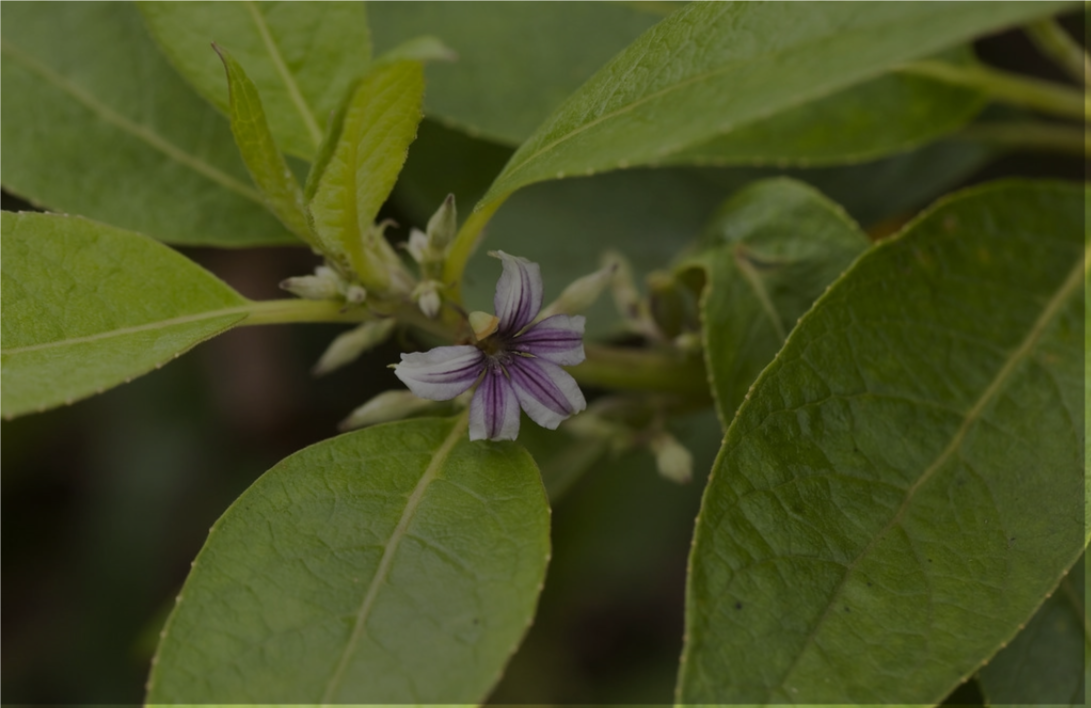
| 12 | Schiedea salicaria | Locality redacted. Contact Bishop Museum Botany Department for details | About 50 plants growing in low scrub on ridgetop and north slope. Other ssp. aalii, iliahi aloe, Eragrostis variabilis, Lipochaeta lavarum, Bidens micrantha, Nesoluma polynesicum, Doryopteris decipiens, also molasses grass, Lantana, Casuarina, silk oak, Java plum, haole koa. | Preserved_Specimen | Flowers all perfect, nectaries & perianth 5, stamens 10, stigmas 3(4), flowers appear to be protandrous as the anthers open and run their course before the stigmas mature and spread out, small drops of nectar were seen at the end of the nectary tubes during late anthesis. | Hobdy, R.W. | 2118 | Maui | BISH | 1984-06-25 |
| 13 | Schiedea salicaria | Locality redacted. Contact Bishop Museum Botany Department for details | About 50 plants growing in low scrub on ridgetop and north slope. Other ssp. aalii, iliahi aloe, Eragrostis variabilis, Lipochaeta lavarum, Bidens micrantha, Nesoluma polynesicum, Doryopteris decipiens, also molasses grass, Lantana, Casuarina, silk oak, Java plum, haole koa. | Preserved_Specimen | Flowers all perfect, nectaries & perianth 5, stamens 10, stigmas 3(4), flowers appear to be protandrous as the anthers open and run their course before the stigmas mature and spread out, small drops of nectar were seen at the end of the nectary tubes during late anthesis. | Hobdy, R.W. | 2118 | Maui | BISH | 1984-06-25 |
| 14 | Schiedea salicaria | Locality redacted. Contact Bishop Museum Botany Department for details | growing in low native scrub and grass on an exposed and windy ridge | Preserved_Specimen | small loose clumps up to 2 ft. tall | Hobdy, R.W. | 1000 | Maui | BISH | 1981-02-24 |
| 15 | Schiedea salicaria | Locality redacted. Contact Bishop Museum Botany Department for details | Growing on vertical rock wall 10 ft above Waikapu Stream. | Preserved_Specimen | Three plants observed; herbs. | Oppenheimer, H.L. | 59803 | Maui | BISH | 1999-05-03 |
| 16 | Schiedea salicaria | Locality redacted. Contact Bishop Museum Botany Department for details | Preserved_Specimen | Hermaphroditic plant. | Wagner, W.L. | 6821 | Maui | BISH | 1998-02-11 | |
| 17 | Schiedea salicaria | Locality redacted. Contact Bishop Museum Botany Department for details | Preserved_Specimen | Female plant. | Wagner, W.L. | 6790 | Maui | BISH | 1998-02-09 | |
| 18 | Schiedea salicaria | Locality redacted. Contact Bishop Museum Botany Department for details | Preserved_Specimen | Hermaphroditic plant. | Wagner, W.L. | 6799 | Maui | BISH | 1998-02-09 |
Lorem ipsum dolor sit amet, consectetur adipiscing elit, sed do eiusmod tempor incididunt ut labore et dolore magna aliqua. Ut enim ad minim veniam, quis nostrud exercitation ullamco laboris nisi ut aliquip ex ea commodo consequat. Duis aute irure dolor in reprehenderit in voluptate velit esse cillum dolore eu fugiat nulla pariatur. Excepteur sint occaecat cupidatat non proident, sunt in culpa qui officia deserunt mollit anim id est laborum.
Lorem ipsum dolor sit amet, consectetur adipiscing elit, sed do eiusmod tempor incididunt ut labore et dolore magna aliqua. Ut enim ad minim veniam, quis nostrud exercitation ullamco laboris nisi ut aliquip ex ea commodo consequat. Duis aute irure dolor in reprehenderit in voluptate velit esse cillum dolore eu fugiat nulla pariatur. Excepteur sint occaecat cupidatat non proident, sunt in culpa qui officia deserunt mollit anim id est laborum.
Lorem ipsum dolor sit amet, consectetur adipiscing elit, sed do eiusmod tempor incididunt ut labore et dolore magna aliqua. Ut enim ad minim veniam, quis nostrud exercitation ullamco laboris nisi ut aliquip ex ea commodo consequat. Duis aute irure dolor in reprehenderit in voluptate velit esse cillum dolore eu fugiat nulla pariatur. Excepteur sint occaecat cupidatat non proident, sunt in culpa qui officia deserunt mollit anim id est laborum.
Lorem ipsum dolor sit amet, consectetur adipiscing elit, sed do eiusmod tempor incididunt ut labore et dolore magna aliqua. Ut enim ad minim veniam, quis nostrud exercitation ullamco laboris nisi ut aliquip ex ea commodo consequat. Duis aute irure dolor in reprehenderit in voluptate velit esse cillum dolore eu fugiat nulla pariatur. Excepteur sint occaecat cupidatat non proident, sunt in culpa qui officia deserunt mollit anim id est laborum.
Lorem ipsum dolor sit amet, consectetur adipiscing elit, sed do eiusmod tempor incididunt ut labore et dolore magna aliqua. Ut enim ad minim veniam, quis nostrud exercitation ullamco laboris nisi ut aliquip ex ea commodo consequat. Duis aute irure dolor in reprehenderit in voluptate velit esse cillum dolore eu fugiat nulla pariatur. Excepteur sint occaecat cupidatat non proident, sunt in culpa qui officia deserunt mollit anim id est laborum.
Lorem ipsum dolor sit amet, consectetur adipiscing elit, sed do eiusmod tempor incididunt ut labore et dolore magna aliqua. Ut enim ad minim veniam, quis nostrud exercitation ullamco laboris nisi ut aliquip ex ea commodo consequat. Duis aute irure dolor in reprehenderit in voluptate velit esse cillum dolore eu fugiat nulla pariatur. Excepteur sint occaecat cupidatat non proident, sunt in culpa qui officia deserunt mollit anim id est laborum.
Thank you for your interest in submitting an image of
Select your image and leave a brief description of your photo below.